Discover sarcophagi, mummy masks, and temple reliefs spanning over 3,000 years. Highlights include a gilded limestone relief from the Temple of Min and rare Mesopotamian artifacts. It’s one of France’s richest Egyptian collections outside Paris and a strong start to your visit.
Quick Information
Did you know?
The museum is housed in a former Benedictine abbey dating back to the 17th century, blending historic architecture with modern galleries.
It is considered France’s largest fine arts museum outside Paris, with 7,000 square meters of exhibition space.
The museum’s collection includes works by Rembrandt, Rubens, Monet, and Picasso, alongside ancient Egyptian artifacts.
Why is the Museum of Fine Arts of Lyon a must-visit attraction?
Housed within a beautifully preserved 17th-century Benedictine abbey in the heart of Lyon, the Museum of Fine Arts invites you on a journey spanning more than 5,000 years of artistic achievement. As you wander through its galleries, you'll travel effortlessly from ancient Egyptian sarcophagi and Greek sculptures to Renaissance masterpieces, dramatic Baroque paintings, and luminous Impressionist works. Despite being one of France's largest fine arts museums outside Paris, the collection feels thoughtfully curated, making it easy to explore at your own pace without feeling overwhelmed.
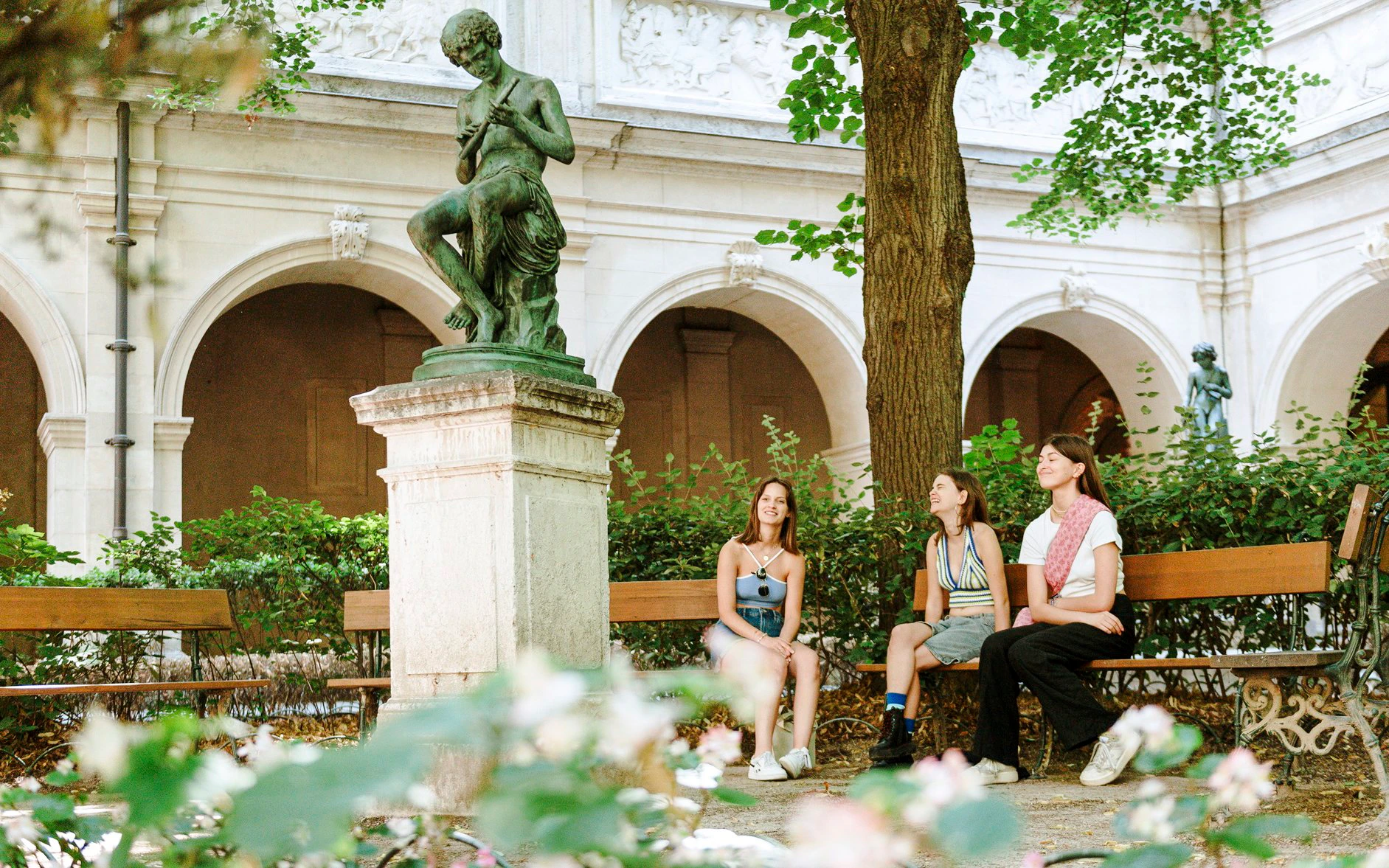
The museum's historic setting is as captivating as the art it holds. Step into the peaceful cloister courtyard, where sculptures by Rodin and Bourdelle offer a tranquil retreat between galleries, before climbing the grand staircase adorned with murals by Pierre Puvis de Chavannes—a reminder that the building itself is a work of art. Along the way, you'll encounter celebrated masterpieces like Nicolas Poussin's Flight into Egypt, Monet's Stormy Sea at Étretat, and rare Egyptian temple reliefs. Just steps from Place des Terreaux, Lyon City Hall, and within walking distance of Vieux Lyon, the museum is perfectly placed for a day of sightseeing. Whether you're an art enthusiast or simply curious about the city's rich cultural heritage, this is one experience that truly captures the artistic soul of Lyon.
What to see at the Museum of Fine Arts of Lyon
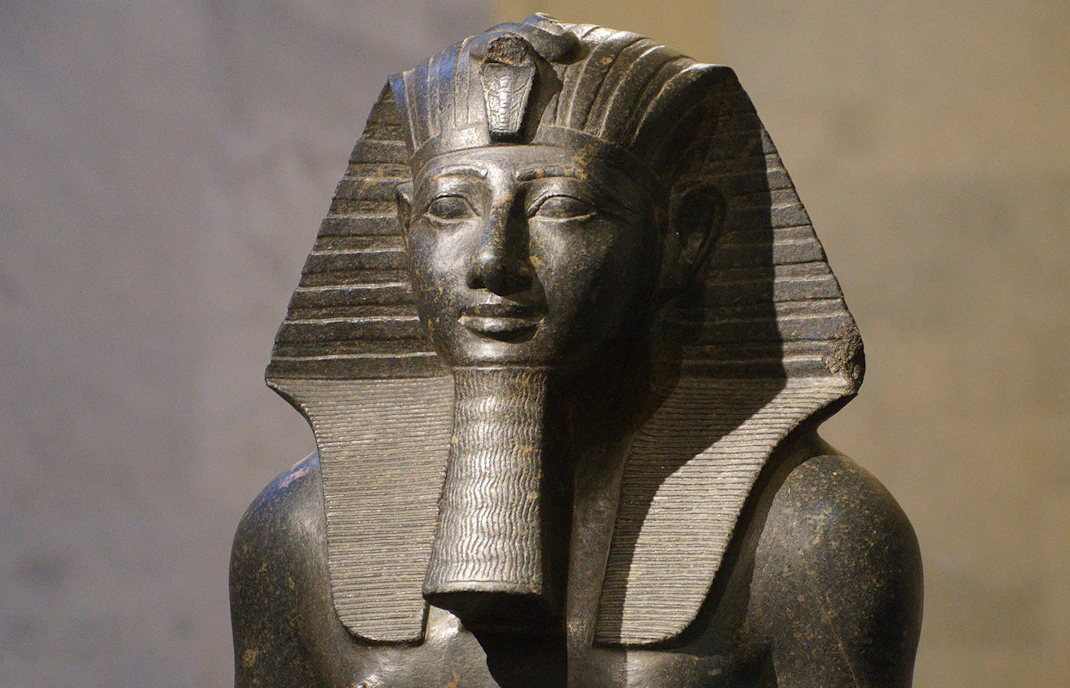
Egyptian & Near Eastern Antiquities
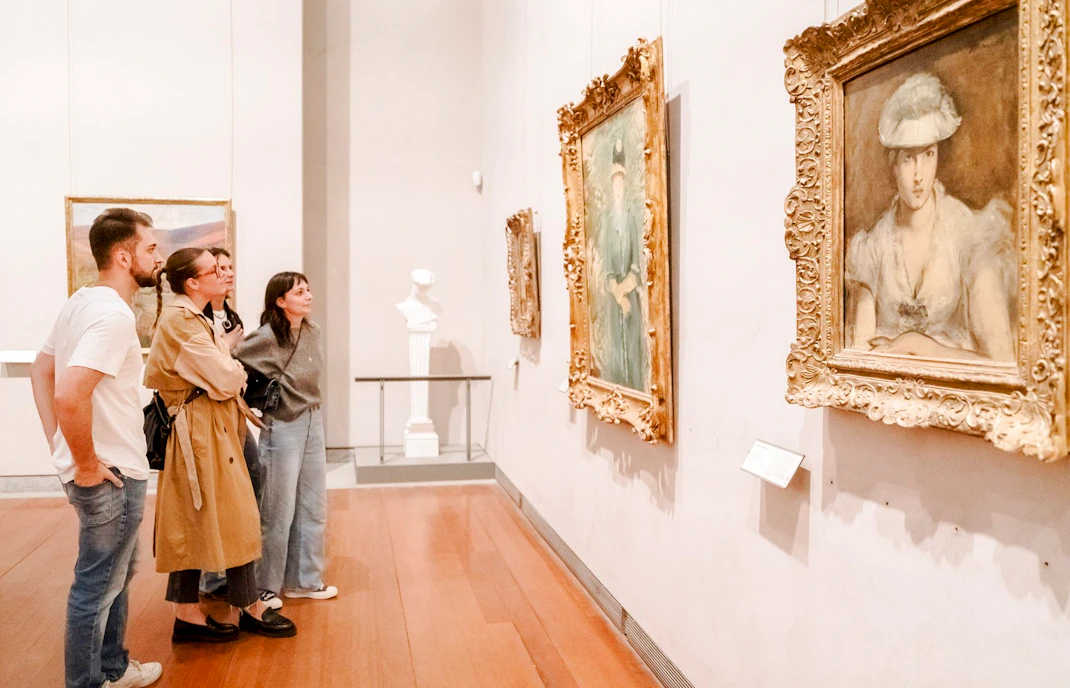
European Paintings (14th–19th Century)
Walk through Renaissance altarpieces, Baroque drama, and Impressionist masterpieces. You’ll see works by Poussin, Rubens, Veronese, Monet, Renoir, Degas, and Sisley. The range is impressive, yet the galleries remain intimate enough for close viewing.
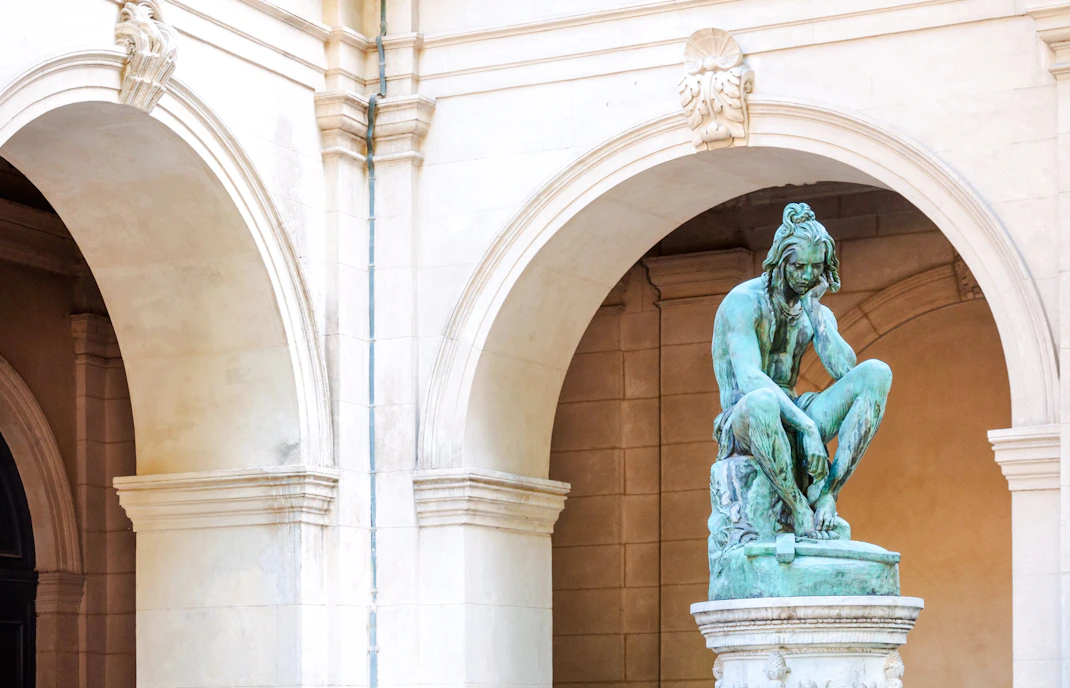
Sculpture Galleries & Cloister Courtyard
Explore French classical and modern sculpture indoors, then step into the former abbey cloister. Bronze works by Rodin and Bourdelle sit under open sky, framed by stone arcades. The courtyard offers a peaceful break and a different way to experience art.
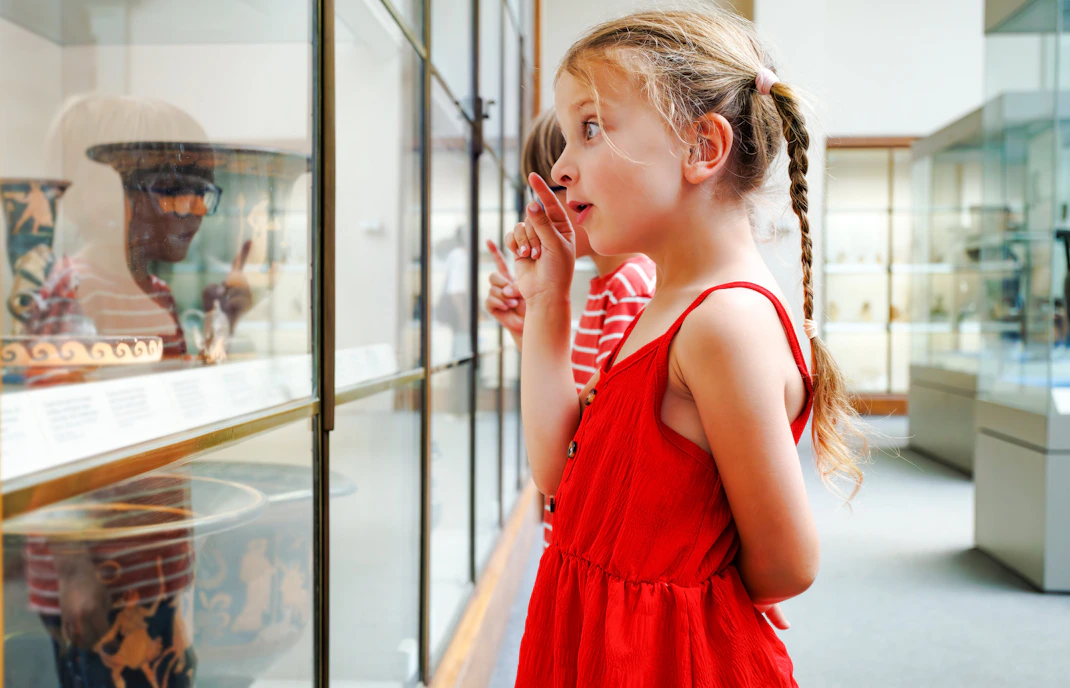
Decorative Arts Collection
Furniture, ceramics, tapestries, and design objects trace artistic craftsmanship across centuries. These rooms reveal how art shaped daily life, especially during Lyon’s silk-producing era. It’s a quieter section, but one that adds depth to the museum’s story.
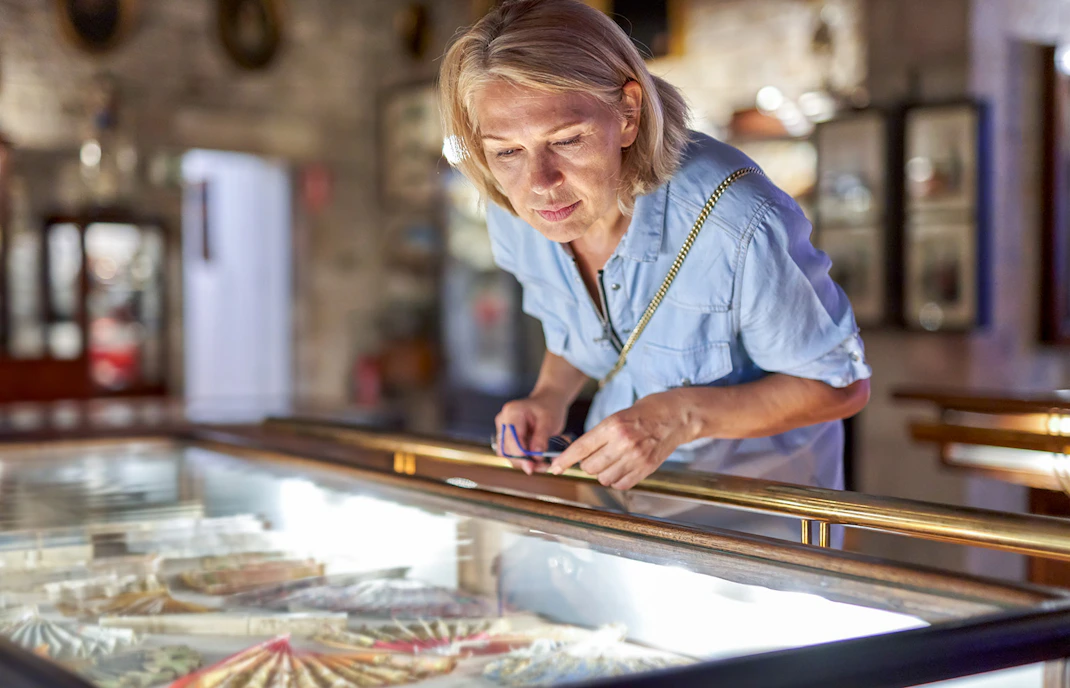
Numismatics – Coins & Medals
This is one of France’s most comprehensive coin collections. The department includes ancient currency and Renaissance commemorative medals. Small in scale but rich in detail, it offers insight into political history, trade, and artistic engraving across centuries.
Highlights of the Museum of Fine Arts of Lyon
Flight into Egypt – Nicolas Poussin (1637)
A dramatic Baroque masterpiece filled with movement, light contrasts, and layered symbolism that anchors the museum’s 17th-century painting collection.
Brief history of the Museum of Fine Arts of Lyon
The Museum of Fine Arts of Lyon was founded in 1801 under Napoleon’s Chaptal decree, which redistributed artworks across France after the Revolution. In 1803, major paintings were transferred from the Louvre, forming the foundation of Lyon’s collection.
The museum occupies the former Palais Saint-Pierre, a 17th-century Benedictine abbey. After the Revolution, the abbey was repurposed for civic use and eventually transformed into a museum. Throughout the 19th and 20th centuries, important donations expanded its Egyptian, Greek, and European holdings.
Today, it ranks among France’s most significant museums outside Paris and continues to grow through acquisitions and temporary exhibitions.
Architecture of the Museum of Fine Arts of Lyon
The museum occupies the 17th-century Palais Saint-Pierre, originally built as a Benedictine abbey in French Baroque style. While no single architect defines the structure, later additions shaped its identity. In 1869, artist Pierre Puvis de Chavannes painted murals on the grand staircase, blending civic art with monastic architecture.
One of its defining features is the monumental staircase covered with murals by Pierre Puvis de Chavannes (1869). The central cloister courtyard, once part of the abbey, now houses outdoor sculptures. This transformation lets visitors experience both sacred heritage and civic culture within the same walls.
Visitor information & experience tips
- Most visitors spend 1–2 hours exploring the museum, though art enthusiasts may stay longer.
- All entries require timed reservations, including free tickets for under-18 visitors and Lyon City Card holders.
- Walk-in entry is not permitted due to capacity control.
- A free multilingual audio guide app is available.
- The museum is closed on Tuesdays, and some rooms may close briefly between 12:30pm and 2pm.
Frequently asked questions about the Museum of Fine Arts of Lyon
Plan for 1–2 hours to see the highlights comfortably. If you enjoy art history or want to explore multiple departments in depth, allow up to 3 hours.
Yes. All visits require timed reservations as walk-in entry is not allowed.
Yes. The museum offers family trails and activity materials designed for younger visitors. The spacious galleries and courtyard make it easier to explore at your own pace.
Yes. You can explore the museum with multilingual audio commentary available in English and French. It’s an easy way to understand the key artworks and stories behind them, without needing to join a guided group.
It’s often ranked as France’s largest fine arts museum outside Paris. Founded in 1801, it holds encyclopedic collections spanning 5,000 years, including Egyptian antiquities, Renaissance masters, Impressionist works, sculpture, decorative arts, and one of the country’s most comprehensive coin collections.
Nicolas Poussin’s Flight into Egypt (1637) is widely regarded as the museum’s most celebrated masterpiece. Its dramatic composition and historical significance make it a cornerstone of the 17th-century painting collection.
Lyon developed a serious Egyptology tradition in the 19th century. Donations from scholars and collectors, including families linked to major excavations, significantly expanded the museum’s holdings, making it one of the most important Egyptian collections in France outside Paris.
Yes, the museum occupies the 17th-century Palais Saint-Pierre, a former Benedictine abbey. Its Baroque architecture, vaulted interiors, and monumental staircase with murals by Pierre Puvis de Chavannes are integral to the overall experience.
The galleries are divided into five major departments: Antiquities, Painting, Sculpture, Decorative Arts, and Numismatics. The layout allows visitors to explore chronologically or focus on specific interests without feeling overwhelmed.
Yes. In addition to its permanent collection, the museum regularly hosts temporary exhibitions featuring modern and contemporary artists. These rotating shows often attract repeat visitors and contribute to annual visitor record peaks.


