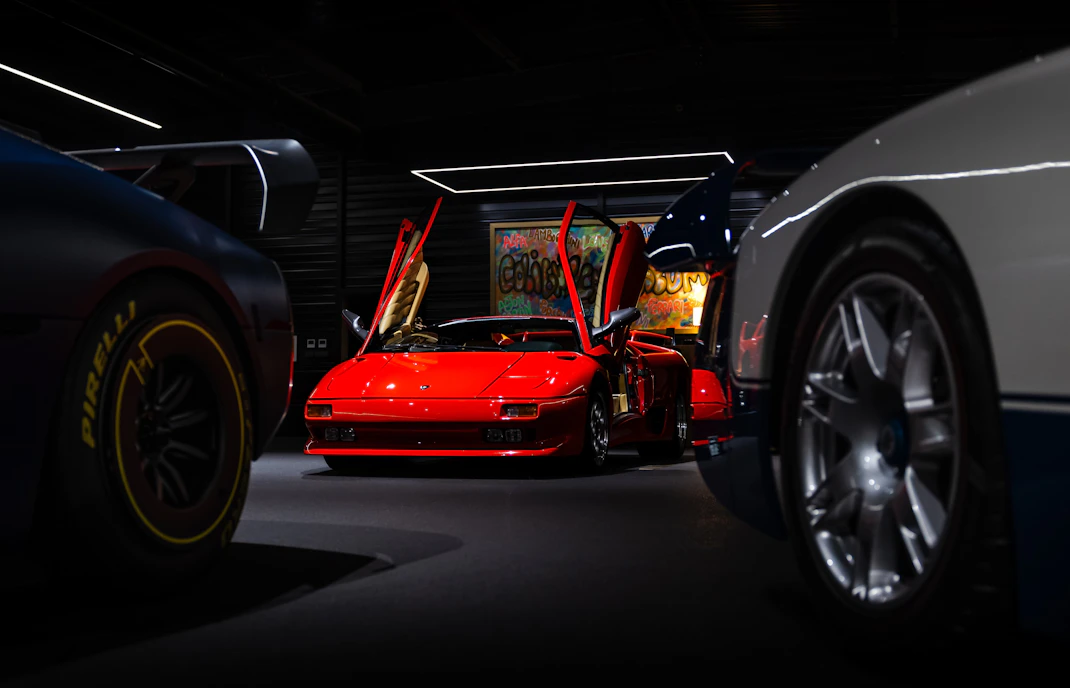
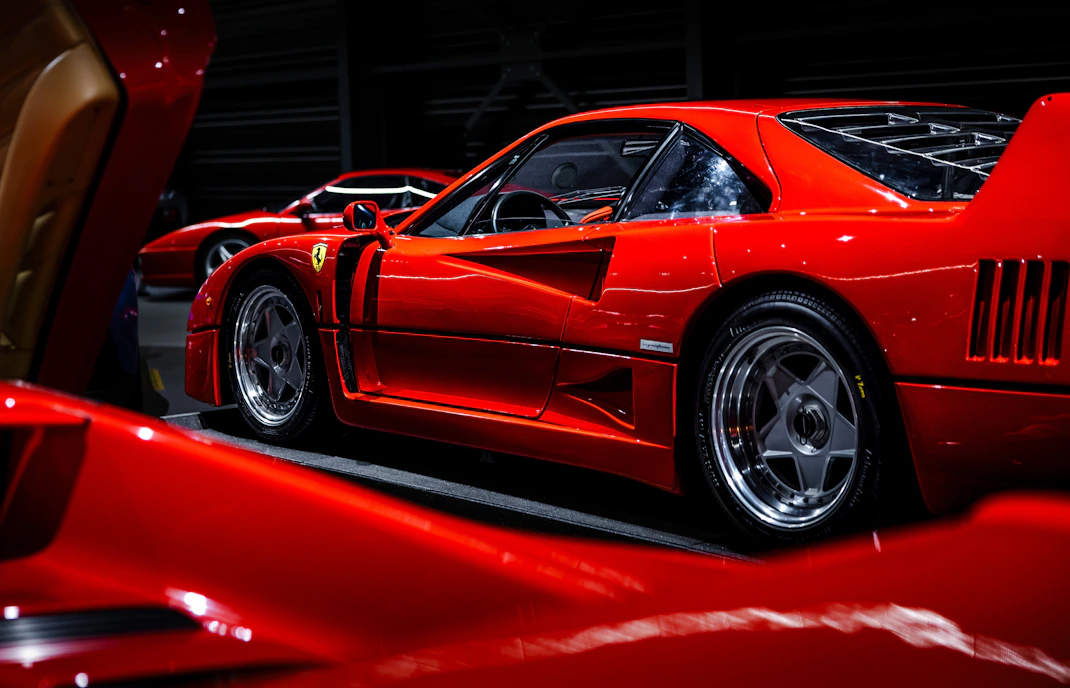
The 1991 Ferrari F40 is the car many visitors make a beeline for – a stripped-back, twin-turbo V8 supercar created for Ferrari’s 40th birthday. Up close, you can see the exposed carbon, raw cabin and huge rear wing that turned it into a 1980s icon, with displays explaining why it still tops so many “greatest ever” lists.
What is Coligny Car Museum?
If you love cars, Coligny feels like walking straight into someone’s dream garage. Instead of a huge maze of rooms, you step into one bright, open hall where almost every car could be a headline act – from 1960s legends to razor-sharp modern hypercars. It’s big enough to feel special, but small enough that you can genuinely see it all in about an hour.
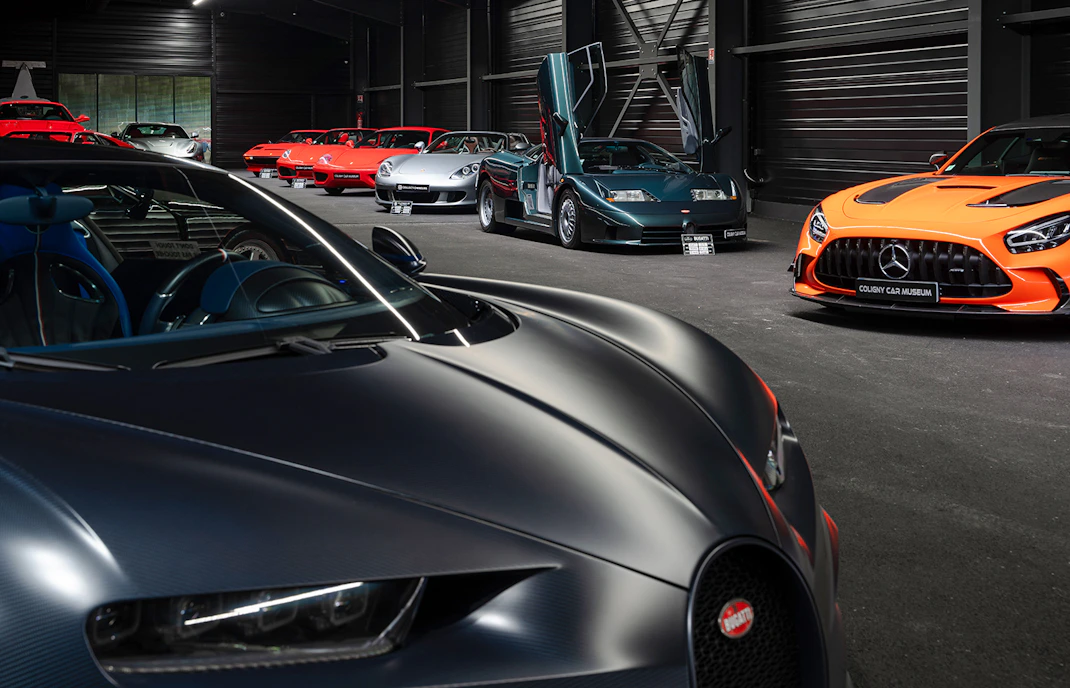
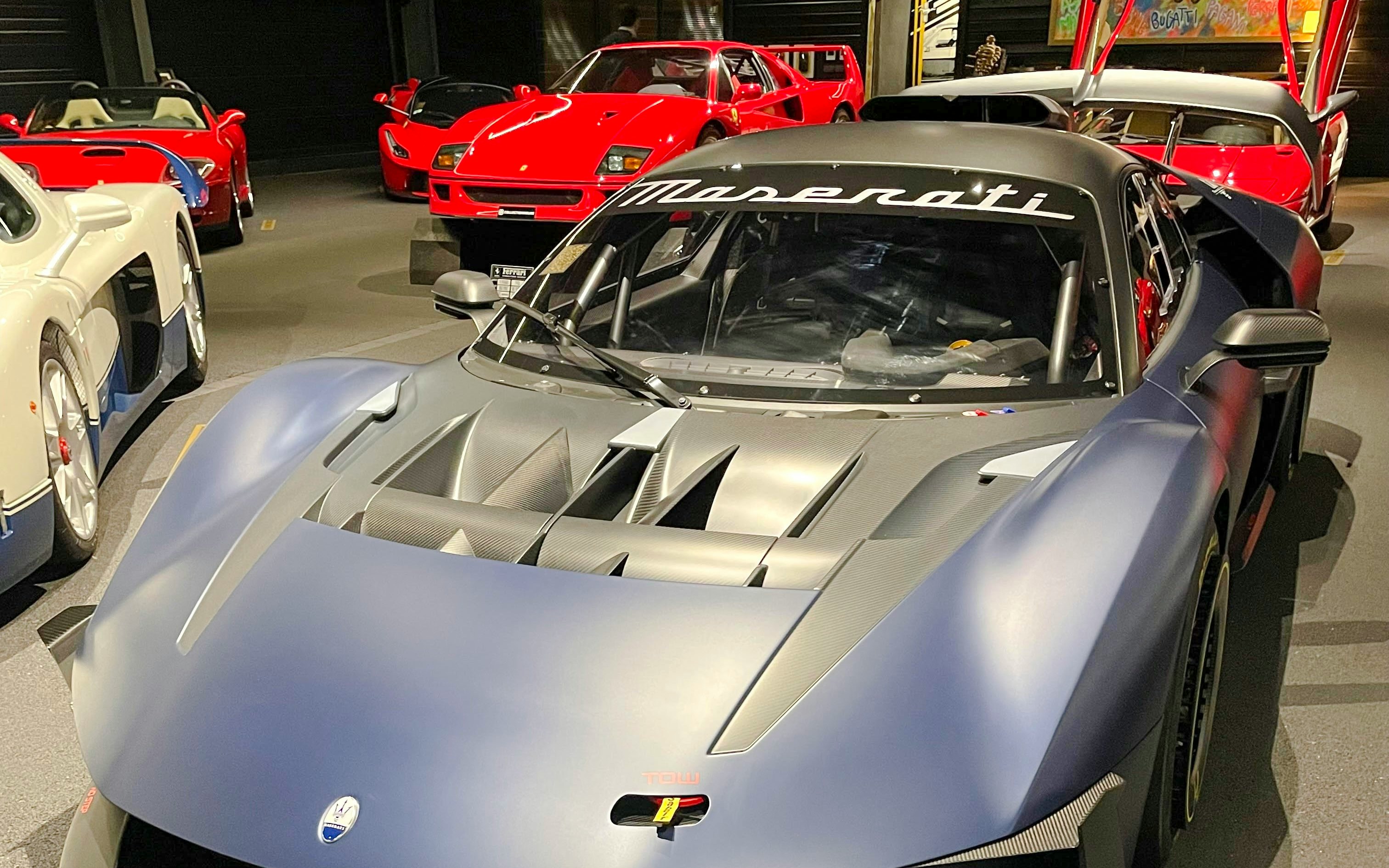
The line-up leans into “bucket list” territory: think Ferrari F40, Bugatti EB110, Ford GT ’67 Heritage Edition and classic grand tourers, sitting alongside ultra-rare newcomers like the Maserati MCXtrema. Clear display panels and optional multilingual audio commentary give you just the right amount of backstory – race wins, design quirks, production numbers – without turning the visit into a technical lecture.
Timed entry slots keep numbers low, so you’re not jostling for a quick photo. You can circle a car, study the details, step back for that full side profile and actually enjoy the space. Families appreciate that it’s straightforward and stroller-friendly; enthusiasts love finally standing a few metres from cars they’ve only ever seen on screens. As a stop on a wider road trip or a day out from Lyon, it’s a focused hit of automotive joy rather than a long museum marathon.
What to see at Coligny Car Museum?
Ferrari F40 & Maranello icons
Bugatti EB110 & 1990s hypercar royalty
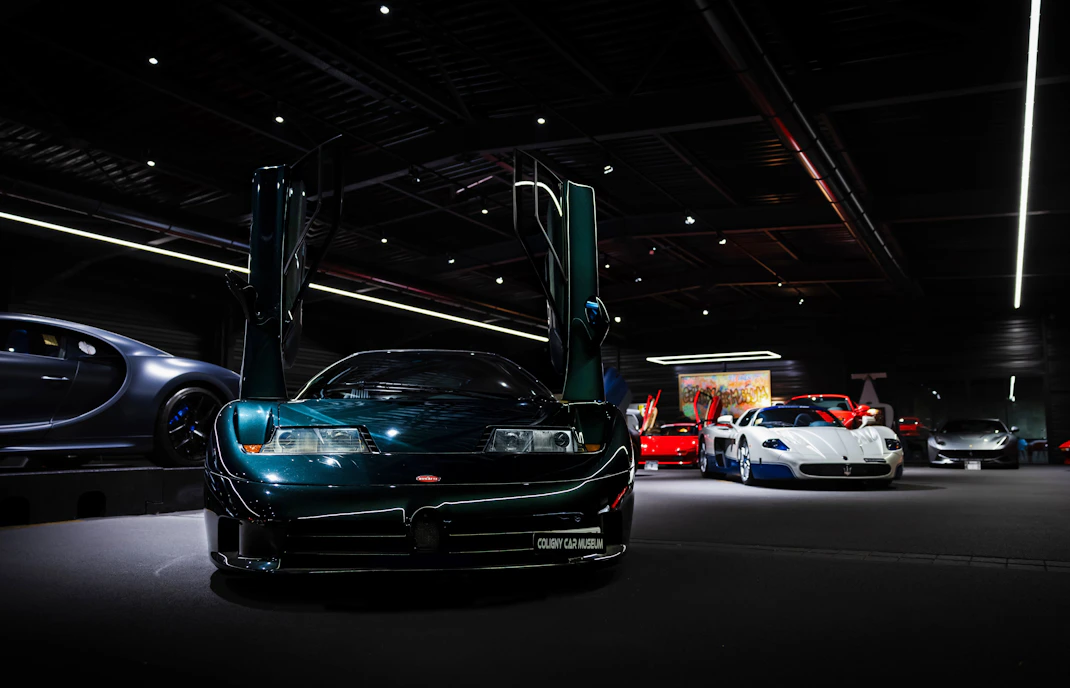
The Bugatti EB110 shows how the brand roared back to life in the 1990s. Its quad-turbo V12, all-wheel drive and advanced carbon-fiber chassis pushed performance to extremes for its time. Here, you can walk right around it and learn why such a tiny production run makes every surviving EB110 a serious unicorn.
Maserati MCXtrema & future-facing track weapons
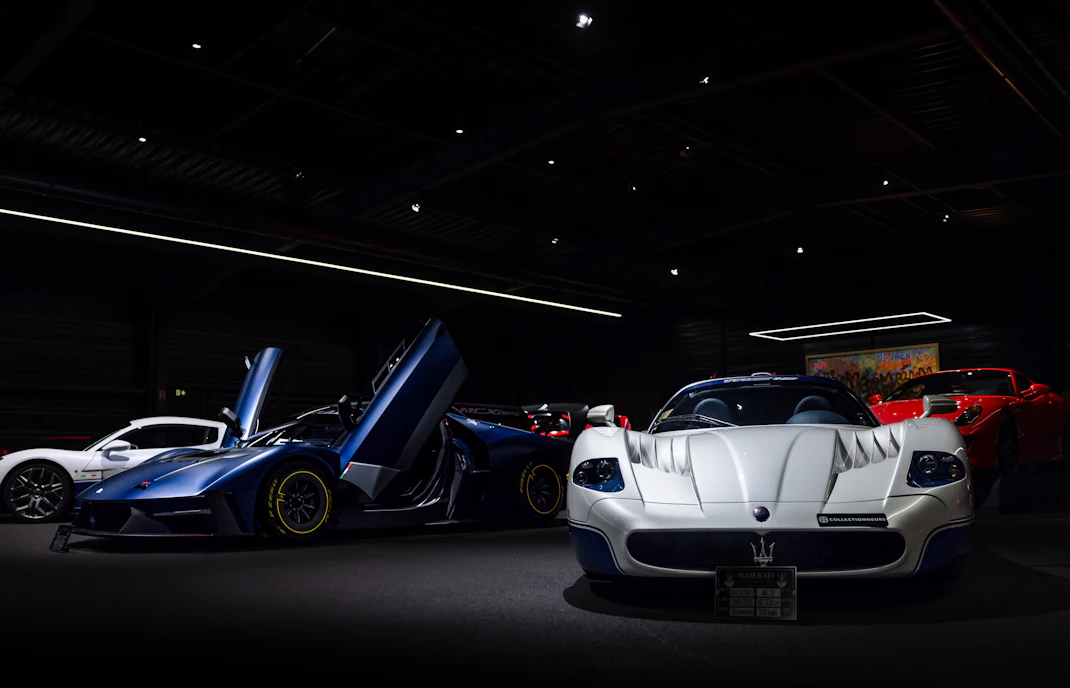
The Maserati MCXtrema anchors the museum’s look towards the future. This track-only machine, limited to 62 units worldwide, comes with wild aero, racing seats and a stripped interior designed purely for performance. Coligny displays the first delivered example, making it an immediate “did you see that?” talking point.
Ford GT ’67 & American endurance legends
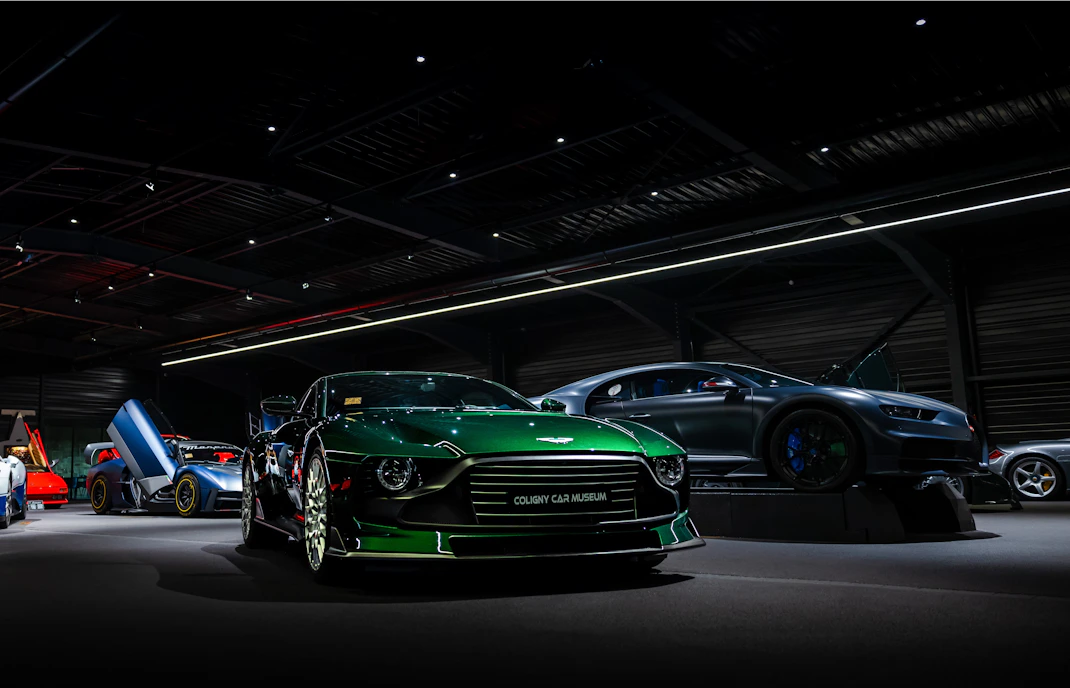
If you’re into Le Mans stories, don’t miss the Ford GT ’67 Heritage Edition. Its muscular stance and livery pay tribute to Ford’s 1960s endurance race victories. When staff occasionally start the engine for demonstrations, you don’t just hear it – you feel it across the hall.
Grand tourers & design classics
Beyond the headline hypercars, you’ll find grand tourers like the Ferrari 365 GTB/4 “Daytona” and other low-slung coupes that were built to cross continents at speed. Their long bonnets, tucked cabins and sculpted lines look especially good under the natural light that floods the hall.
Layout, displays & extra services
The museum is laid out as an easy loop, so you’re unlikely to miss anything. Bilingual displays and optional audio commentary help you dip into the engineering and racing history at your own pace. You’ll also spot hints of the museum’s concierge-style services – from private storage for collectors to events held among the cars – which underline that this is a living, evolving collection rather than a static garage.
Highlights of Coligny Car Museum in Coligny
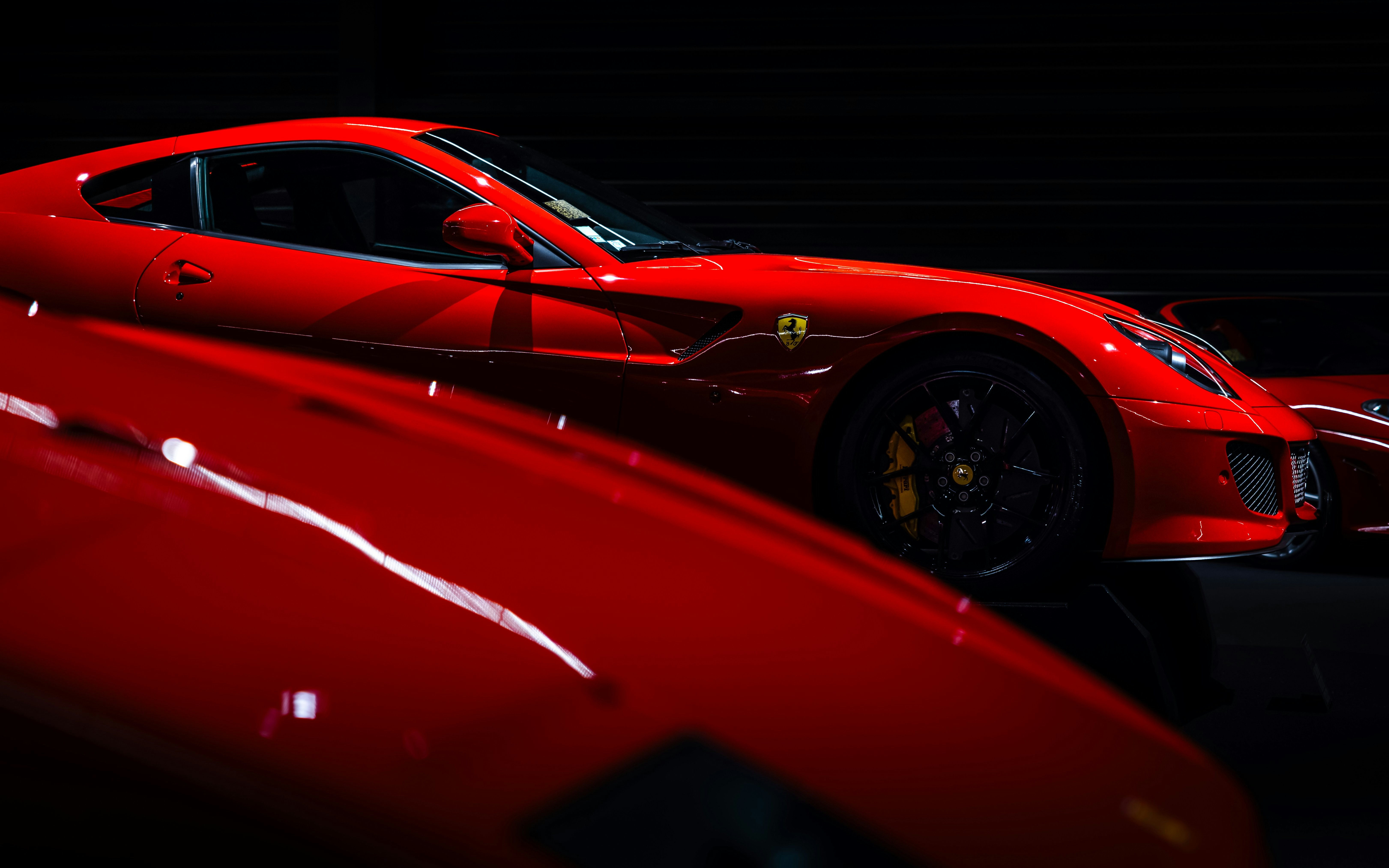
Ferrari F40 on displayA
An ultra-rare, poster-car legend you can finally see from just a few steps away.

Brief history of Coligny Car Museum
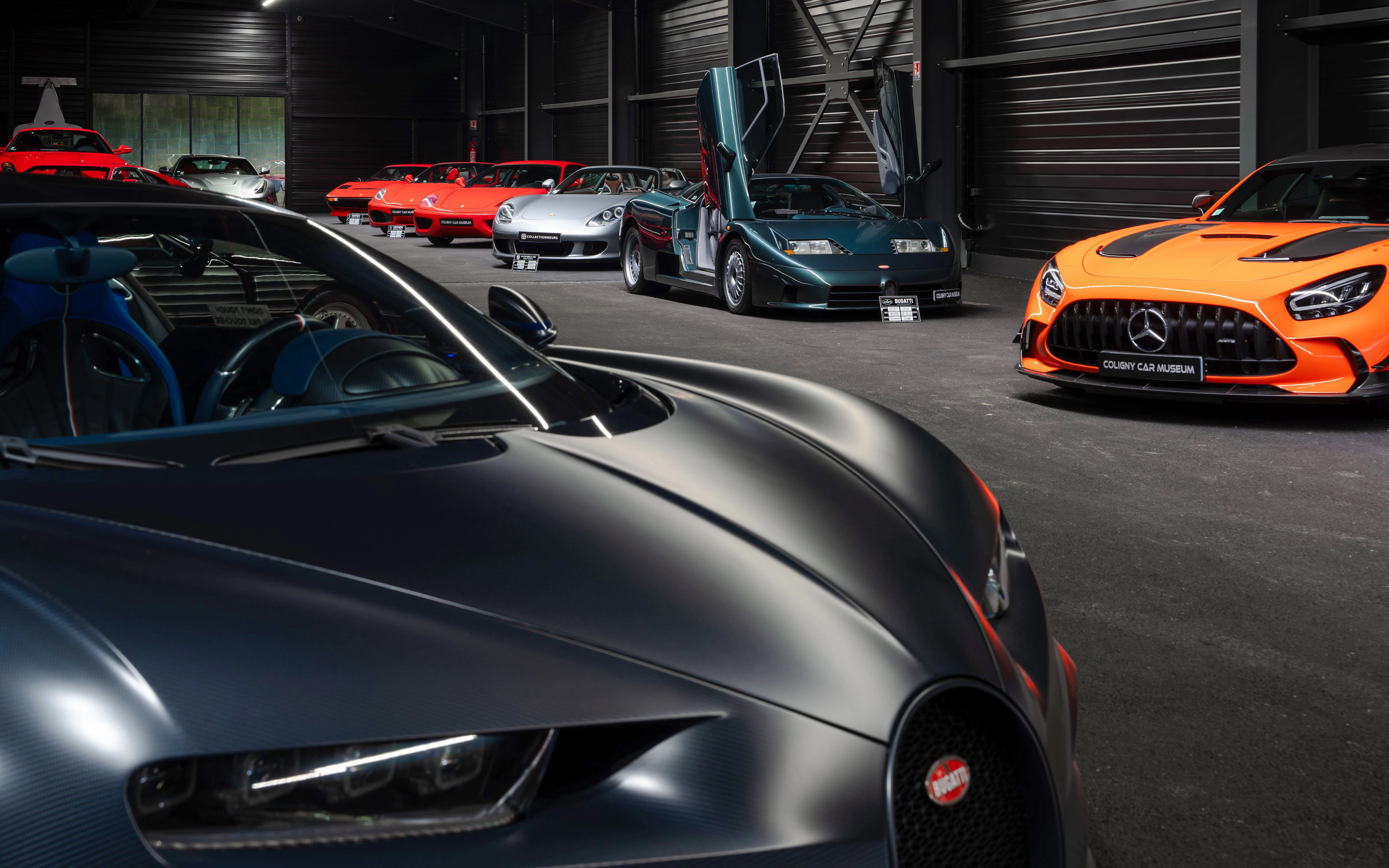
Coligny Car Museum began as a private collection put together by enthusiasts with a soft spot for exceptional road and track cars. Instead of splitting the vehicles across themed wings, the founders chose a single, gallery-style hall where each model can breathe and feel special. Over the years, the collection has been refreshed to blend classic names – from heritage Ferraris to Ford GTs – with headline-grabbing additions like the Maserati MCXtrema. Public information focuses more on what you’ll see today than on specific founding dates, but the guiding idea has stayed constant: fewer cars, better stories and a line-up that rewards repeat visits.
Additional information about Coligny Car Museum
Coligny is especially enjoyable from spring to early autumn, when the surrounding countryside is green and driving conditions are relaxed. The museum closes in January, February and on major holidays, so it’s worth checking dates before you build it into an off-season itinerary.
Timed ticketing keeps the experience relaxed even on busy days. Expect a quiet, contemplative atmosphere rather than a theme-park vibe – perfect if you like to take your time with photos. Many visitors pair the museum with a session at Circuit de la Bresse, architectural stops like the Basilica of Notre-Dame de Brou, or wildlife-watching at Parc des Oiseaux, turning a one-hour visit into a full, varied day out.
Frequently asked questions about Coligny Car Museum
The Ferrari F40 is one of the most celebrated supercars ever built. Created to mark Ferrari’s 40th anniversary, it combines a lightweight chassis, twin-turbo V8 engine and race-inspired design. Its presence at Coligny gives visitors a close-up look at a true automotive legend.
The Bugatti EB110 represents Bugatti’s ambitious return to the supercar world in the 1990s. With a quad-turbocharged V12 engine, advanced carbon-fiber construction and all-wheel drive, it was one of the most technologically advanced road cars of its time.
The Maserati MCXtrema is a limited-production, track-only hypercar built purely for performance. With just 62 units produced worldwide, it represents the cutting edge of modern racing-inspired engineering and is one of the museum’s most futuristic exhibits.
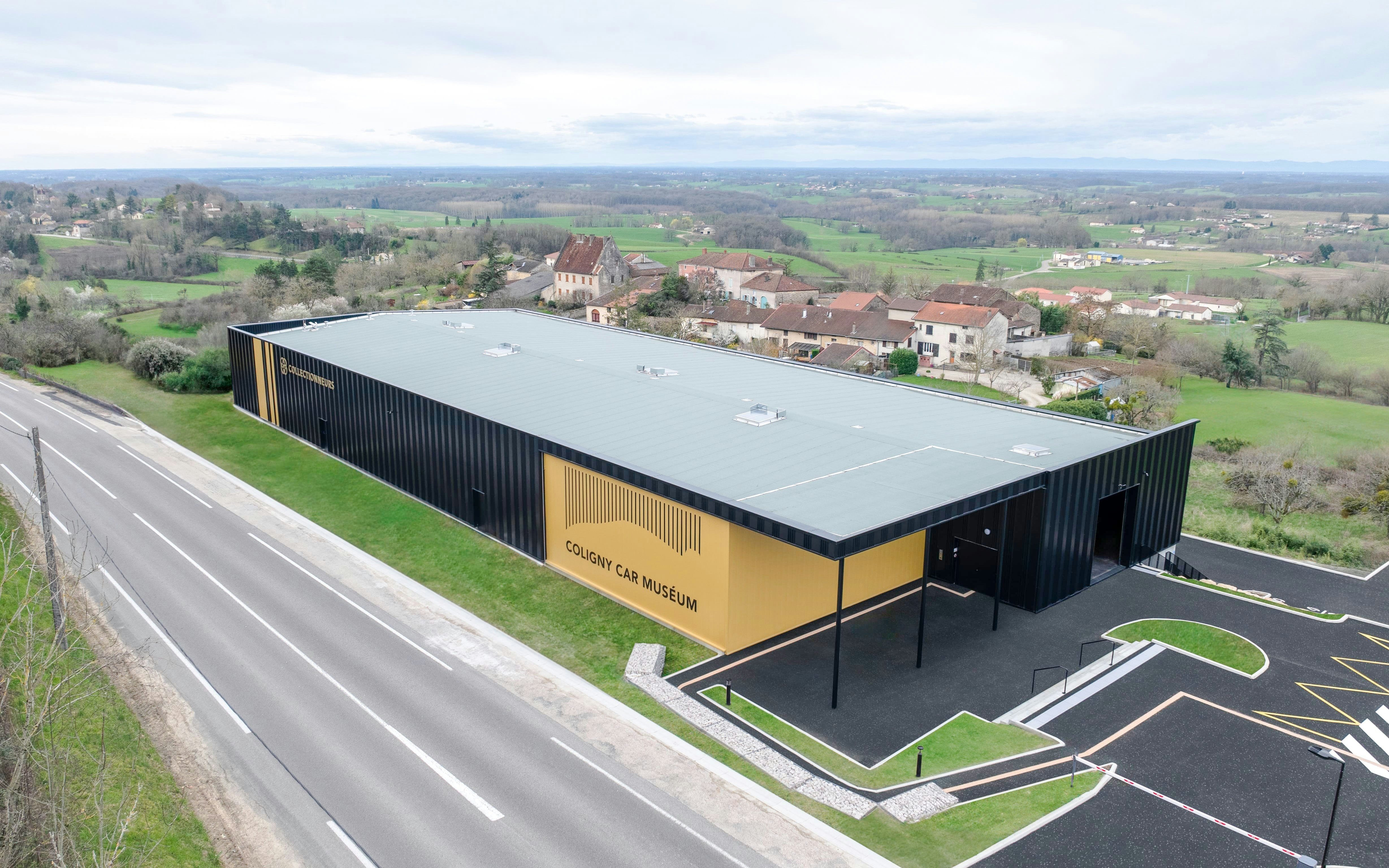
No, Coligny Car Museum is intentionally compact. The collection is displayed in a single 1,500 m² hall, which allows visitors to see every vehicle clearly and appreciate the design and engineering details without navigating multiple floors or galleries.
Yes, the focus is on presenting rare and significant cars in a gallery-style setting rather than creating a large institutional museum.
Many automotive museums display hundreds of vehicles across multiple decades. Coligny takes a different approach by focusing on a smaller, high-impact selection of exceptional supercars and collectors’ models, creating a more intimate and visually striking experience.
Coligny Car Museum is located in the village of Coligny in the Ain department of eastern France, roughly an hour and a bit from Lyon by car. The museum sits in countryside surroundings, so your visit feels more like a scenic road trip stop than a big-city attraction, with fields, small towns and nearby racetracks and cultural sites to round out the day.
Coligny is a rare chance to see several “poster cars” together in one quiet, gallery-style space. Instead of hunting down special models at different events, you can study icons like the Ferrari F40, Bugatti EB110 and Maserati MCXtrema at your own pace, up close and indoors – a big draw if you plan your travels around memorable machines.
Inside, the experience is calm, focused and highly visual. You walk a simple loop through a single hall where every car has room to breathe, with natural light, clear sightlines and concise information panels. There are no loud simulators or theme-park elements; it feels more like an automotive art gallery designed for looking, photographing and quietly geeking out over details.
Yes, the collection is curated rather than fixed. While some headline cars stay as long-term anchors, others can rotate as new acquisitions arrive or vehicles are moved for events, sales or storage. That mix of classic icons and newer additions means repeat visitors often find a slightly different line-up and fresh pairings to enjoy.


