Why is the Museum of Fine Arts of Lyon a must-visit attraction?

The Museum of Fine Arts of Lyon is not just another art museum. It’s a 5,000-year journey through human creativity, all housed inside a former 17th-century Benedictine abbey in the heart of the city.

What makes it special is its scale and balance. You move from Egyptian sarcophagi to Greek sculpture, then into Renaissance drama, Baroque masterpieces, and Impressionist light — all in one seamless visit. It’s often described as France’s largest fine arts museum outside Paris, yet it feels manageable and calm.

The setting adds to the experience. The historic cloister courtyard, now filled with sculptures by Rodin and Bourdelle, offers a quiet pause between galleries. Inside, the monumental staircase painted by Pierre Puvis de Chavannes reminds you that the building itself is part of the collection.

You’ll see Nicolas Poussin’s Flight into Egypt, Monet’s Stormy Sea at Étretat, and rare Egyptian temple reliefs. But beyond the highlights, the museum rewards slow exploration. The range is wide, yet the layout allows you to focus on what interests you most.

Located at Place des Terreaux, steps from Lyon City Hall and a short walk from Vieux Lyon, it’s easy to combine with other landmarks. If you want one cultural experience that defines Lyon, this is it.

What to see at the Museum of Fine Arts of Lyon

Egyptian & Near Eastern Antiquities

Discover sarcophagi, mummy masks, and temple reliefs spanning over 3,000 years. Highlights include a gilded limestone relief from the Temple of Min and rare Mesopotamian artifacts. It’s one of France’s richest Egyptian collections outside Paris and a strong start to your visit.

European Paintings (14th–19th Century)

Walk through Renaissance altarpieces, Baroque drama, and Impressionist masterpieces. You’ll see works by Poussin, Rubens, Veronese, Monet, Renoir, Degas, and Sisley. The range is impressive, yet the galleries remain intimate enough for close viewing.

Sculpture Galleries & Cloister Courtyard

Explore French classical and modern sculpture indoors, then step into the former abbey cloister. Bronze works by Rodin and Bourdelle sit under open sky, framed by stone arcades. The courtyard offers a peaceful break and a different way to experience art.

Decorative Arts Collection

Furniture, ceramics, tapestries, and design objects trace artistic craftsmanship across centuries. These rooms reveal how art shaped daily life, especially during Lyon’s silk-producing era. It’s a quieter section, but one that adds depth to the museum’s story.

Numismatics – Coins & Medals

This is one of France’s most comprehensive coin collections. The department includes ancient currency and Renaissance commemorative medals. Small in scale but rich in detail, it offers insight into political history, trade, and artistic engraving across centuries.

Highlights of the Museum of Fine Arts of Lyon

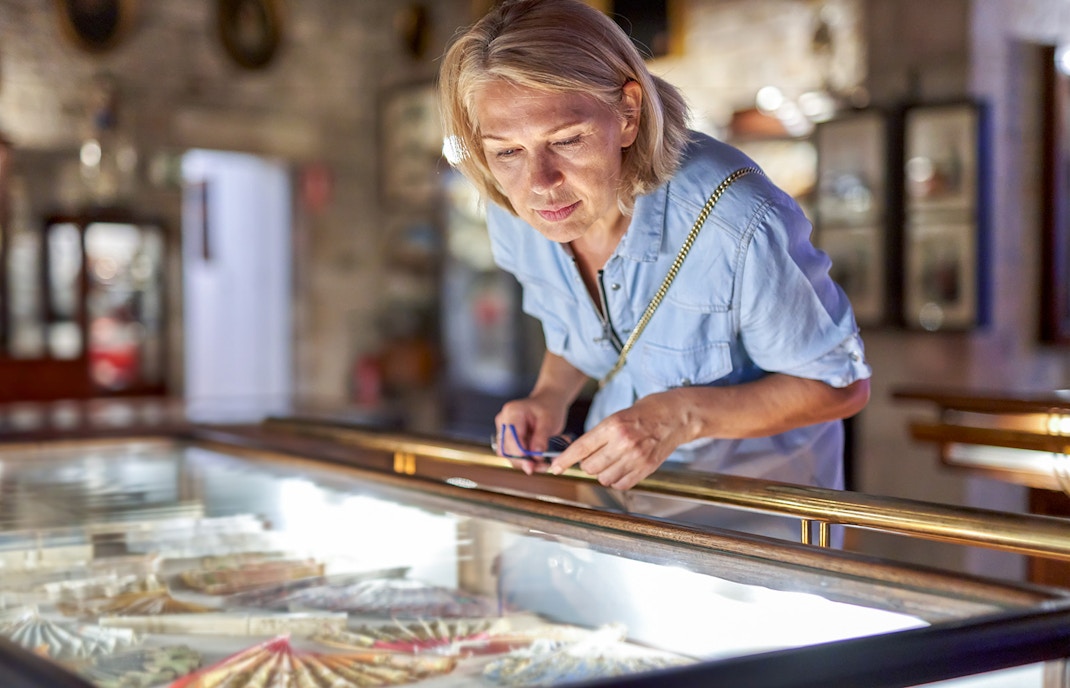
Visitor viewing art at Recoletos Room, Mapfre Foundation, Madrid.

Flight into Egypt – Nicolas Poussin (1637)

A dramatic Baroque masterpiece filled with movement, light contrasts, and layered symbolism that anchors the museum’s 17th-century painting collection.

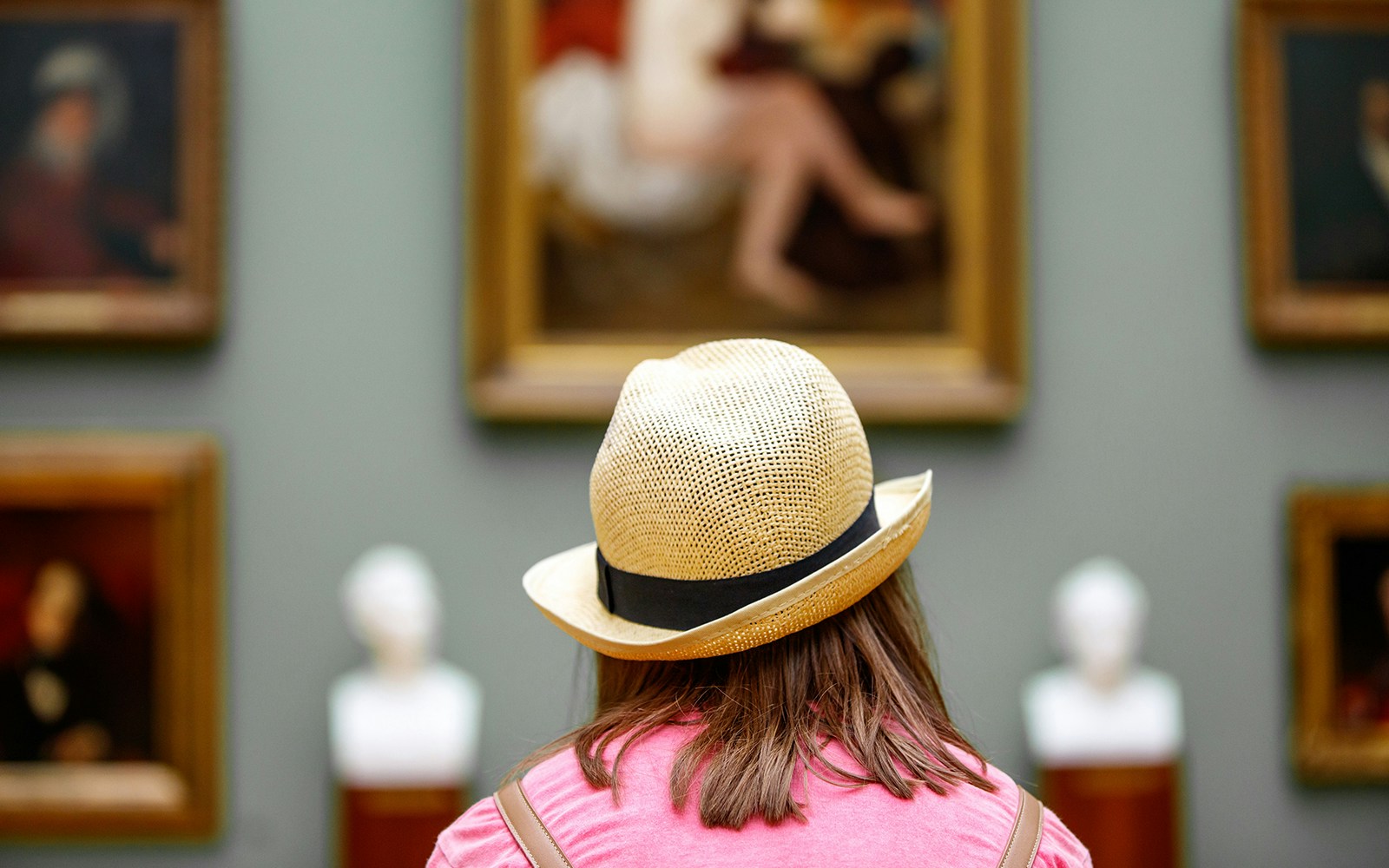
Person observing artwork in a Barcelona museum.
Visitors seated in the Museum of Fine Arts, Lyon, France, observing classical sculptures.
Children exploring interactive exhibit at Palais Lobkowitz, Vienna.
Visitors sitting near a statue in the courtyard of the Museum of Fine Arts, Lyon, France.

Brief history of the Museum of Fine Arts of Lyon

The Museum of Fine Arts of Lyon was founded in 1801 under Napoleon’s Chaptal decree, which redistributed artworks across France after the Revolution. In 1803, major paintings were transferred from the Louvre, forming the foundation of Lyon’s collection.

The museum occupies the former Palais Saint-Pierre, a 17th-century Benedictine abbey. After the Revolution, the abbey was repurposed for civic use and eventually transformed into a museum. Throughout the 19th and 20th centuries, important donations expanded its Egyptian, Greek, and European holdings.

Today, it ranks among France’s most significant museums outside Paris and continues to grow through acquisitions and temporary exhibitions.

Architecture of the Museum of Fine Arts of Lyon

The museum occupies the 17th-century Palais Saint-Pierre, originally built as a Benedictine abbey in French Baroque style. While no single architect defines the structure, later additions shaped its identity. In 1869, artist Pierre Puvis de Chavannes painted murals on the grand staircase, blending civic art with monastic architecture.

One of its defining features is the monumental staircase covered with murals by Pierre Puvis de Chavannes (1869). The central cloister courtyard, once part of the abbey, now houses outdoor sculptures. This transformation lets visitors experience both sacred heritage and civic culture within the same walls.

Visitor information & experience tips

  • Most visitors spend 1–2 hours exploring the museum, though art enthusiasts may stay longer.
  • All entries require timed reservations, including free tickets for under-18 visitors and Lyon City Card holders.
  • Walk-in entry is not permitted due to capacity control.
  • A free multilingual audio guide app is available.
  • The museum is closed on Tuesdays, and some rooms may close briefly between 12:30pm and 2pm.

Frequently asked questions about the Museum of Fine Arts of Lyon

Plan for 1–2 hours to see the highlights comfortably. If you enjoy art history or want to explore multiple departments in depth, allow up to 3 hours.